
A fat, is a fat, is a fat, or is it?
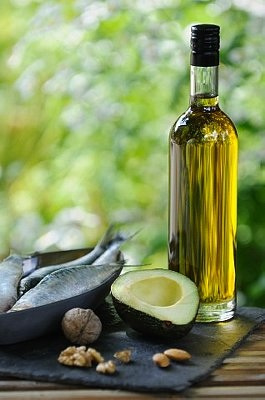
Over the years, the word fat has triggered a negative response for me, especially when trying to lose and manage my weight. I have learned that fats are important and necessary to include in your diet because your body needs fat to function properly. With said, I limed my consumption to olive or flax seed oil; only two tablespoons per day. Little did I know, the salmon and the tuna that I ate regularly along with the occasional cashews or almonds were filled with good fats too.
Since that uneducated time, I have learned a great deal about good fats and bad fats through the different diet regimes that I have tried. My most recent encounter with this topic was in a Nutrition for Weight Loss class given by Dr. Clyde Wilson through Stanford’s Continuing Studies program.
Dr. Clyde spelled out the importance of including good fat as a part of your daily diet. In his book What, When & Water: Nutrition for Weight Loss Wellness, Dr. Clyde addressed two questions – “do we need to eat fat every day when we have so much in us already? Can we instead just eat carbohydrates and/or protein, with any excess consumption being turned into fat in our body to restock the storage? The answer, no; there are two important reasons to substantiate his answer: “The first is a benefit for disease prevention (obesity and diabetes) but not a requirement: Digestion is slowed and hunger is reduced when fat is included in each meal. The second reason is more immediately important: There are specific fats, called ‘essential’ because the body cannot make them, used functionally (not just as energy storage) in cells. These functions include nerve signaling, hormone production and metabolism.”
I found his point of reducing hunger intriguing and decided to try to incorporate one good fat to each of my meals or include as a snack. I realized that my main breakfast meal already contained one good fat – a tablespoon of Flax Oil, I use the Barlean brand; remember the recipe from Whey to Go? This mixture of protein, carbohydrates (the berries), and fat really does satiate me until lunch time.
With that said, I decided to try some other good fat combinations. First, I tried a tablespoon of nut butter – crunchy no stir almond and crunchy no stir peanut butter; MaraNatha is my favorite brand. I put a tablespoon on a piece of toast and ate that with 6 ounces of non-fat FAGE yogurt in order to get the correct combination of protein, carbohydrate, and fat for the most benefit to curb hunger; another great lesson from Dr. Clyde.
My second test was guacamole, something that I love but only ate on special occasions. I spread two-three tablespoons on a tortilla – organic corn with my egg-white and black bean frittata for breakfast; for lunch, I added it to a multi-grain tortilla with lettuce, onion, tomato and turkey. To my surprise, incorporating a fat in each of my meals really did what Dr. Clyde claimed: “Digestion is slowed and hunger is reduced…” Also, I found that I was enjoying my meals more because I was not only eating many of the fats that I had been depriving myself of over the years but also keeping my hunger at bay.
Fish, flax and olive oils, nut butters, and avocado are all great sources of monounsaturated fats. There are other types of fats too, some of which are not so good. The following chart provides the fat type, the definitions and the sources of fats – the good, the bad and the ugly.

The Recommended Dietary Allowance, or the RDA from the American Heart Association is that fat intake should be limited to 20-35% of the daily caloric intake. They also recommend:
- Limiting saturated fat intake to less than 7 percent of total daily calories
- Limiting trans fat intake to less than 1 percent of total daily calories
- Selecting the remaining fat from sources of monounsaturated and polyunsaturated fats such as nuts, seeds, fish and vegetable oils
Dr. Clyde Wilson, provides a nice Fat Summary in his book What, When & Water: Nutrition for Weight Loss Wellness. Assuming the fat portion per meal is approximately 125 calories, any of the following mostly monounsaturated fats can be enjoyed:
- Avocado – 2/3 fruit or 1/3 cup
- Vegetable oil, including olive oil – 1 Tablespoon
- Olives – 18 for the average medium size olive (depending on the size, the quantity could be 10-32 olives per serving)
- Healthy margarines – 1.5 Tablespoons of Earth Balance of Smart Balance
- Nuts – 4-5 Brazil, 7 Macadamia, 9 walnut halves, 13 pecan halves, 20 cashews, 23 almonds, 28 peanuts, or 43 pistachios
- Nut butter – 1.25 Tablespoons of any type
- Seeds – 3.5 Tablespoons of sesame, sunflower, pumpkin of flax seeds
- Soy – 1/3 cup of soybeans, 3 cups of unsweetened soy milk, or ~ 11 ounces of tofu
- Fish – 3 ounces of salmon or sardines (this serving meets your protein needs) and provides 1/2 of your fat requirements
Most unsaturated fat in the human diet comes from EFA or Essential Fatty Acids. There are two important EFAs, alpha-linolenic acid (omega-3) and linoleic acid (omega-6); the body can not produce these. Omega-3 and omega-6 fatty acids most be obtained from the foods that we eat. They also serve as a positive influence on health issues such as: Immune Response, Heart Protection, Cancer, and Osteoporosis. All of these topics and more about omega-3 and omega-6 fatty acids are addressed in Understanding The Role of Omega-3 & Omega-6 Fatty Acids. Other useful information can be found at the The American Heart Association and WebMD. There is a nice slide presentation on The Truth About Omega-3, the Good Fat that is worth reviewing.
One of the features from The O List from the May, 2011 edition of O, The Oprah Magaine, is The Avocado of the Month Club. This is not only a unique gift idea for the health conscious foodie but also a simple way for this healthy, delicious “all purpose summer food” to be delivered directly to your door for three or six months. They offer a 3-pound, 4-pound, and 6-pound memberships as well as healthy avocado oils. What a fun, fresh and easy way to keep the good fats coming your way!
Fortunately, there are many delicious, healthy good choices to consume to fulfill your daily recommended dietary allowance of good fats. It’s as easy as 1-2-3! Select your favorites from the list and incorporate them into your daily snacks and meals; be creative! Remember that not all fats are created equal. There are the good – monounsaturated and polyunsaturated fats, the bad – saturated fats, and the ugly – trans fats.
A fat, is not a fat, is not a fat, remember that!
