
Have you ever wondered about the hierarchy of the hive and how the queen is anointed? Did you know that this matriarch will lay thousands of eggs over the course of her long life, and be larger and longer than her female counterparts even though they share the same genetic make up? These questions and more were recent learnings in BIO 03 W – Diet and Gene Expression: You Are What You Eat with Dr. Lucia Aronica from Stanford University Continuing Studies.

Genes are the book you inherit, whereas epigenetics is the book that you write. This learning introduced by Dr. Aronica was eye-opening, lifestyle changing, and provided potential answers to dietary topics personal to me that I never understood. The concept, basically means that changes can be made to the outcome of the genes that one is born with based on the actions or lifestyle choices that one makes. In an Esquire article, Aronica defines epigenome as “the sum total of everything in your lifestyle — from what you eat every morning, to how many sticks of cigarettes you smoke in a week, to the type of relationship you have with your partner. It literally means everything above the genomes…On top of our genomes, we have our epigenomes, which is like a set of molecular markers that can influence gene expression. These changes can happen without changing the underlying DNA sequence, which is a very cool concept because it shows us that we are much more than are DNA sequence….these epigenome changes occur all the time and are affected by our lifestyle choices.” (1)
Diet, or the food and drink that we choose to consume can impact our mental and physical wellbeing which ultimately affects our personal epigenetic story. In a post by Isabel Pastor Guzman she states “…physical and mental well-being is directly linked to what we eat and drink. The nutritional content of what we eat determines the composition of our cell membranes, bone marrow, blood, hormones, tissue, organs, skin, and hair. Our bodies are replacing billions of cells every day — and using the foods we consume as the source”. Guzman also references interesting research done at the University of Oxford demonstrating “…diets of organisms can even affect the composition of their genes. Since organisms construct their DNA using building blocks they get from food, Dr. Steven Kelly, of Oxford’s Department of Plant Sciences, and his colleagues hypothesized that the composition of food could alter an organism’s DNA. The results revealed a previously hidden relationship between cellular metabolism and evolution, and provided new insights into how DNA sequences can be influenced by adaptation to different diet.” (2)
In nature, the transformation of the honey bee into the queen exemplifies this very concept – DNA sequences can be influenced by adaptation to different diets. During the larval stage, the queen candidate is fed a protein-rich cocktail full of nutrients known as ROYAL JELLY – an epigenetic modifier. The nourished epigenome gives the queen and the queen alone re-productive rights, size advantages, longevity, and ultimately the strength and power to manage the hive. The SciShow video provides a good narrative about royal jelly and other interesting information on How A Bee Becomes A Queen.
The epigenome nourishment provided by the royal jelly, is the differentiator between the queen and her female counterparts. What a wonderful thing it would be if there was a royal jelly equivalent for humans. Quelle surprise…quelle surprise, there is – introducing EPI-nutrients!
EPI-NUTRIENTS are the specific nutrients that boost our epigenetic health. There are two types of EPI-nutrients – METHYL-DONATING, the nutrients that are essential for the production of methyl groups; and NUTRIGENOMIC MODULATORS, the activity regulators of the enzymes that place methyl groups and other epigenetic marks on our genes. When these specific nutrients are consumed, the function of our epigenome is enriched which can impact gene expression. Following is a list of common food sources that are rich in EPI-nutrients.
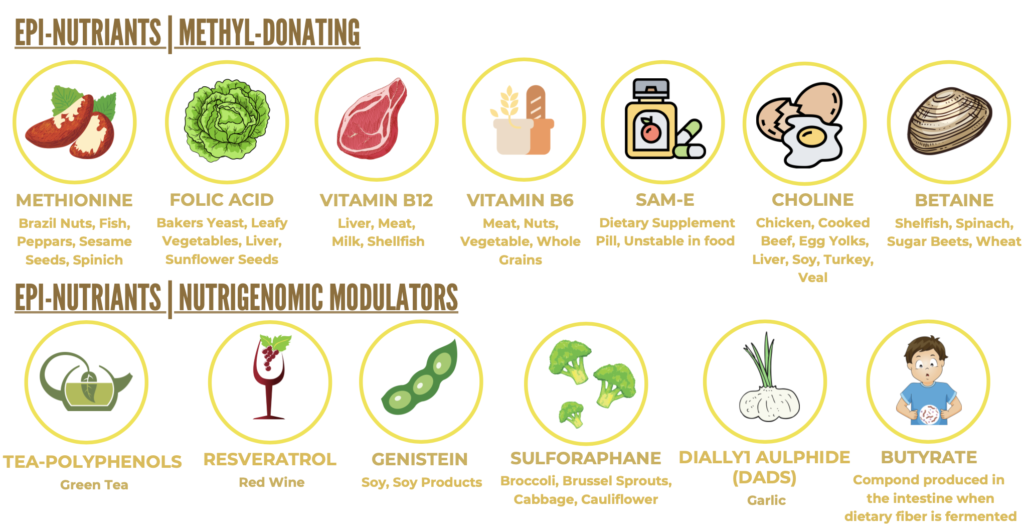
Surprisingly, many of the categories include foods that most of us eat and hopefully enjoy on a regular basis, including red wine. However, the nutrigenomic modulator Sulforaphane (C6H11NOS2) – SFN for short, is what I find to be the most interesting. SFN is a natural, sulfur-rich compound found in cruciferous vegetables like broccoli, brussel sprouts, cabbage, and cauliflower. Referenced in a Healthline post, “Sulforaphane is activated when glucoraphanin comes into contact with myrosinase, a family of enzymes that play a role in the defense response of plants. Myrosinase enzymes are only released and activated when a plant is damaged. Therefore, cruciferous vegetables must be cut, chopped, or chewed to release myrosinase and activate sulforaphane”.
The most potent and active SFN comes from vegetables in their raw form. In fact, results from one study concluded that raw broccoli had ten times more SFN than cooked broccoli. (3) Many studies have also showcased the numerous health benefits of SFN including: anticancer, antimicrobial, anti-inflammatory, neuroprotective, anti-aging, diabetes and more. (4)
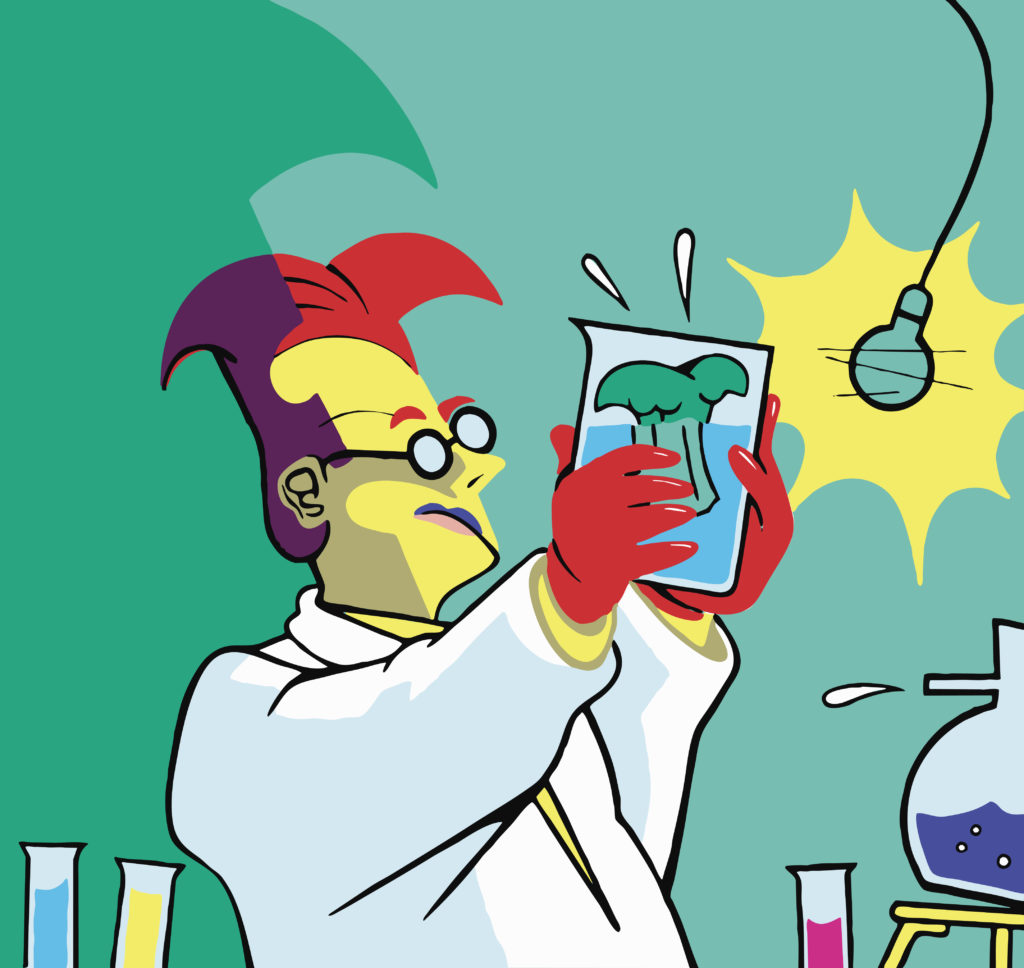
Knowing about the hidden power of raw, cruciferous vegetables, should be a motivating factor to incorporate as part of your daily diet regime. Cutting, chopping, and chewing are quick and easy tasks providing enormous health benefits. However should you not like vegetables in their raw state, cooking is an option, but you will have to wait at least 40 minutes after you chop the vegetables in order to release the myrosinase and activate the SFN. To maximize the benefit, vegetables should be cooked at temperatures below 284˚F | 140˚C. (5)
The most potent raw vegetable known to have the highest levels of SFN is broccoli sprouts. Studies show that broccoli sprouts have 10-100 times the amount of Sulforaphane compared to more mature broccoli plants. (6)
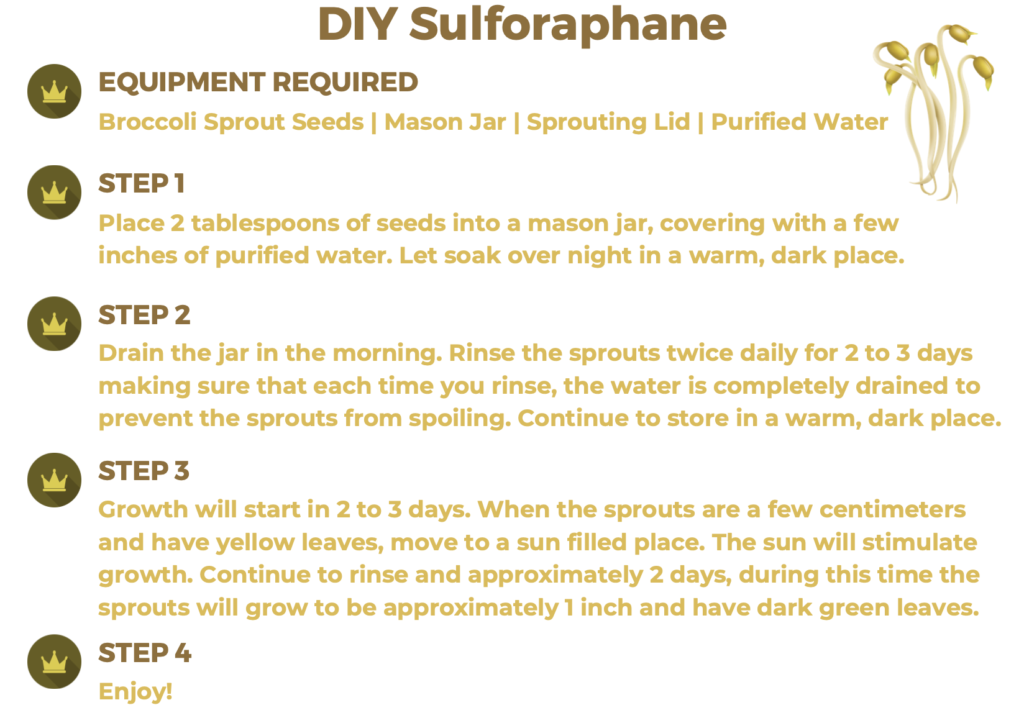
There are several ways to obtain broccoli sprouts, including growing your own. DIY Sulforaphane is easy! I know this because I started growing these powerful sprouts in my pantry utilizing the recipe below. It is economical and, moreover exciting to watch the progression of growth from seed to sprout, anticipating when they will burst into blossom. Having fresh sprouts continuously at your finger tips makes it easy to consume the two cup daily recommended requirement to reap the benefits of this fierce, fresh food.
To be successful, one has to be one of three bees: the queen bee, the hardest working bee, or the bee that does not fit in. One’s success is inherited, or is it?
The queen bee is not born into royalty, her genetic make-up is exactly the same as her female counterparts – the hardest working bee and the bee that does not fit in. The sole differentiator between the three is diet, and diet alone. It is the royal jelly that provides the catalyst that transforms the bee into the queen. Unfortunately, most of us are not lucky enough to be born into royalty. However, we can choose to incorporate EPI-nutrients into our diet nourishing our epigenome putting us on the right path.
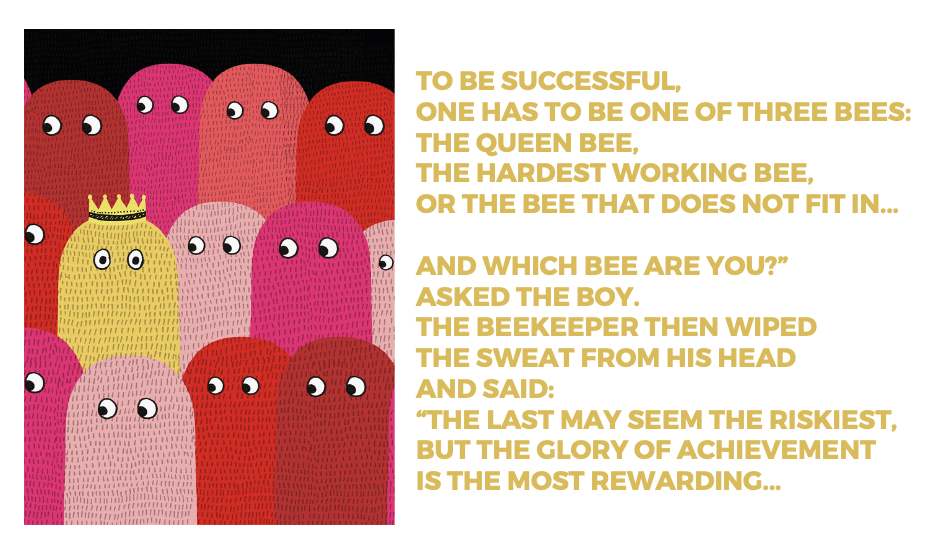
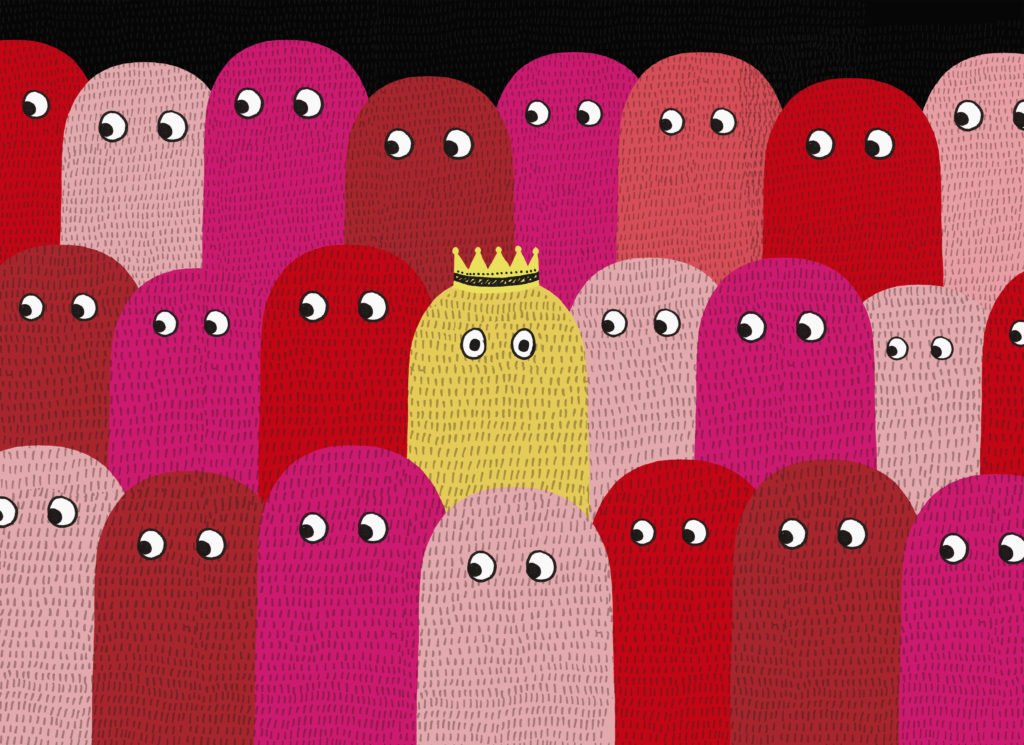
If we all took a bit of risk, and worked hard making the right epigenetic choices to alter the course of our inherited genetic destiny, glory of achievement can be obtained allowing us to become a Crowned Creature Standing Out from The Crowd. Dietary choices can make a BIG impact and are a major way in which we can unlock our superpowers, releasing our true Royal Highness and, ultimately Bee-coming What We Eat……
Bon Appetit!

Featured images Crowned Creature Standing Out From The Crowd by Matthew Dent and Beaker of Broccoli by Kevin O’Keefe are from Ikon Images – a wonderful resource for images by many great artists. 
I hope everyone explores SFN more, and have buds bursting in their pantries to enjoy daily like we do. Here’s a hint everyone, they don’t really taste like broccoli.
What an interesting subject -new to me. Love the illustrations. Job well done.
Fascinating subject.
Easily followed thought progression.
Graphics that reinforce subject progression and provide pacing breaks.
Thoughtful inclusion of participatory action of effect change.
Very interesting!
Wonderful article, Sandra! You explain the science so well! The artwork, poems, and your personal voice make for a very fun read! Very interesting! I am inspired to build up my epigenome!!!
Thanks – and a great a call-to-action around growing broccoli sprouts! You’ve gone deep into something that few people do; makes you wonder why this isn’t more of a focus in high school or earlier education. Will stop thinking of it as our kitchen, and think of it more as our epigenome laboratory!!
What a fascinating subject! Who would have know there was so much science behind food choices and that it is so easily understood, thanks to your research.
Enjoyed your writing style and the cool graphics!
Well done!